



Saint-making within the Catholic Church – or canonisation because it is named – is traditionally a drawn-out, opaque process with the successful candidates who’ve emerged from it in recent times normally worthy but unsurprising long-dead clerics and nuns. That is why Carlo Acutis joining their heavenly ranks has caught the eye of so many.
London-born, raised in Italy, this tech-savvy, deeply devout teenager tragically died aged just 15 from leukaemia in 2006. Pope Francis’s decision in 2024 to approve his canonisation saw him labelled “the primary millennial saint”.
As with most of the late Pope’s daring, breaking-with-precedent decisions, this one gave the impression to be based, partially a minimum of, on a realisation that the Church feels alien and irrelevant to many young people due to its outdated stance on sex before marriage, women’s equality and same-sex relationships.
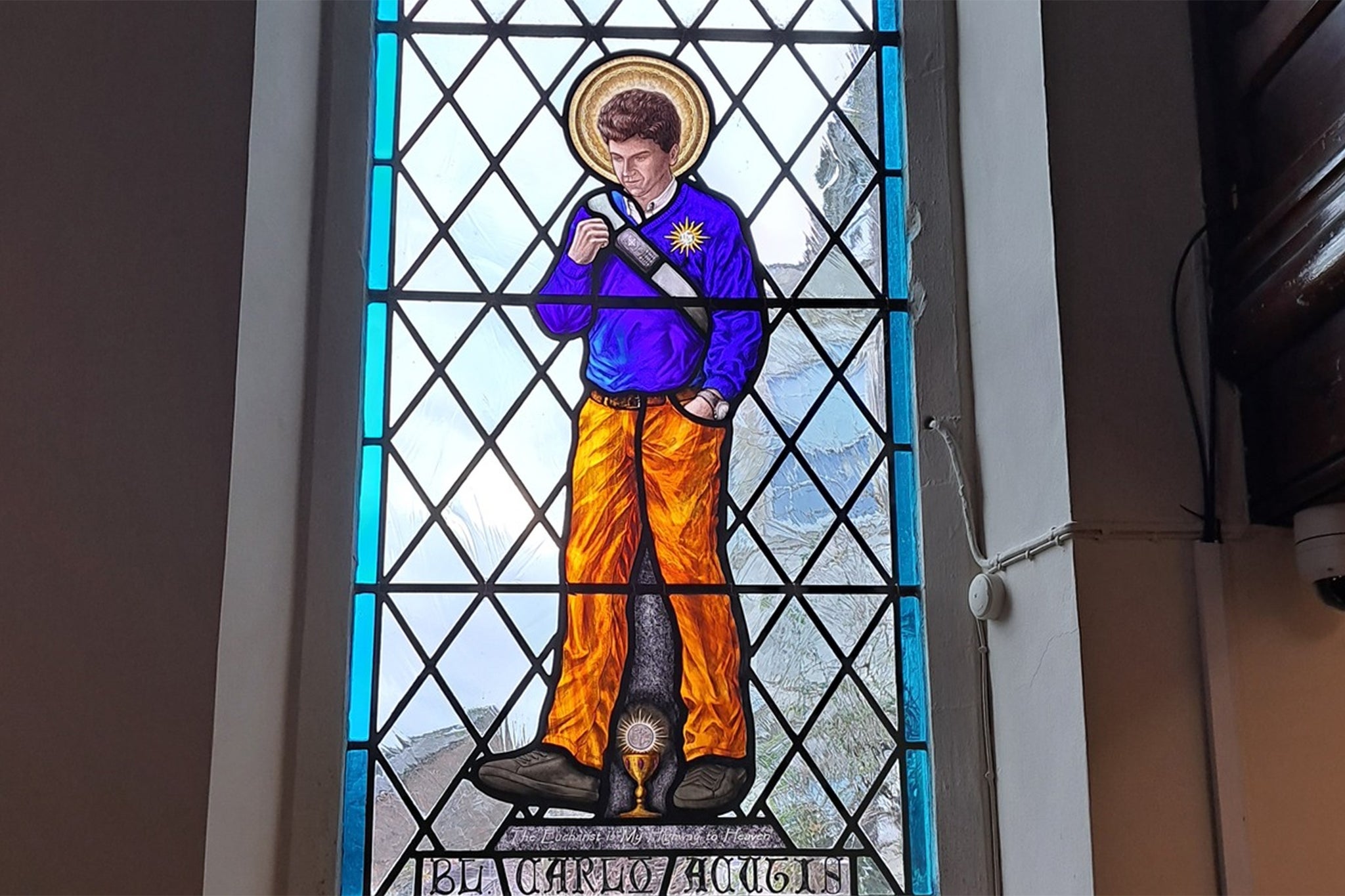
Holding up Acutis as a job model – which is an element of their job description – is subsequently showing a sceptical young audience that Catholicism isn’t just for the old and the conservative. If unsure of the symbolic power of Carlos Acutis, take a have a look at the stained-glass window featuring him that was installed in 2022 in St Aldhelm’s Catholic Church in Malmesbury.
Unlike the medieval bishop in vestments and carrying a crozier within the window round the corner, he’s depicted wearing standard 2006 teenager garb, with a digital watch and a phone strapped to his rucksack. In other words: very odd, very now, yet concurrently the Church has decided through its canonisation process someone extraordinary by dint of his religious devotion and his “heroic virtue” in living his short life as “a servant of God”.
These are the important thing qualities for any saint in Catholicism’s famously lengthy rulebook. Francis had planned to preside on the canonisation ceremony last month (the newest of 900 saints he had made during his reign, 813 of whom got here from the fifteenth century), however it was postponed because the seriousness of the health problems that led to his death became apparent.
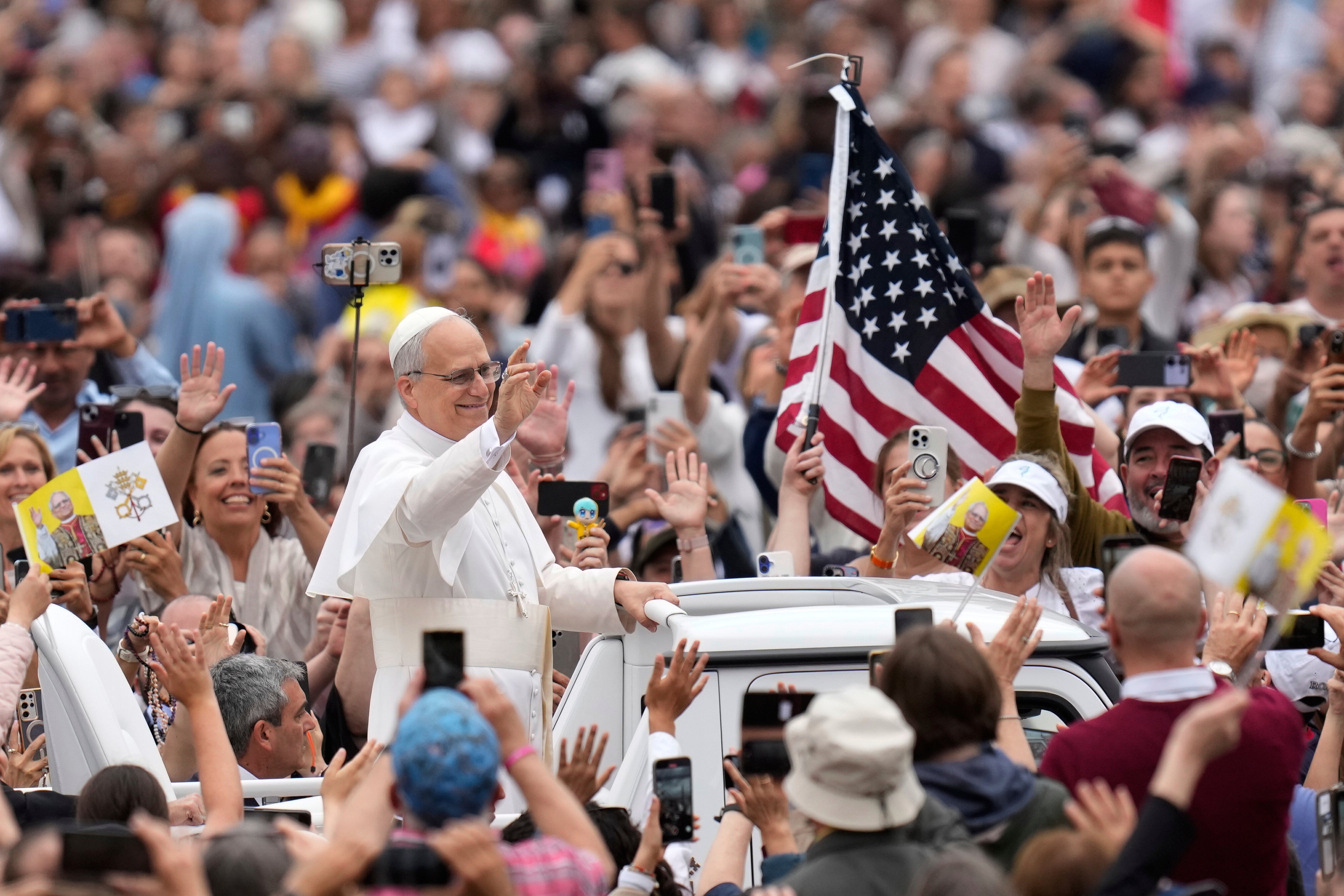
No latest date has yet emerged from his successor Leo XIV, but a preferred American Catholic priest podcaster, David Michael Moses, is upping the ante by telling his 330,000 YouTube followers that the brand new pope already has a special reference to Carlo Acutis. That, he hopes, will mean that the canonisation could happen soon and be the primary of this pontificate.
The bond between the 2 rests, Moses enthuses, on the very fact young Carlo did his secondary education on the Leo XIII Institute in Milan. “What are the probabilities,” he says in his folksy way, “that the varsity he’s attending when he dies was named after Pope Leo XIII, the predecessor of our latest Pope Leo XIV, the pope that Leo XIV says inspired him to decide on the name? How cool is that?”
And there’s more. “If that wasn’t enough, take heed to this quote from Carlo Acutis. ‘I offer all of the suffering I may have to suffer for the lord, for the pope, and for the Church.’”
It won’t pass muster as a watertight argument in a court of law, but within the Vatican, the Dicastery for the Causes of Saints, which has been answerable for saint-making for hundreds of years, assesses evidence in a really different way.
Acutis, the boy now also known as “God’s Influencer”, was born in 1991 in west London and baptised in Our Lady of Dolours parish in Chelsea. His Italian mother Antonia and half-Italian, half-English father Andrea moved to Milan six months later and raised their only child there. Early on, his banker parents say, he showed a selected empathy and social conscience, saving up his pocket money handy over to good causes that helped the poor, or standing up for those bullied at his school.
But it was the at all times present religious dimension in him that was so unusual in an age where church attendance, especially among the many young in Italy, is in steep decline. When on family holidays at Centola in southern Italy, little Carlo would wander over as a baby and join the group of old women who gathered every day to say the rosary on the beach. And it was Carlo who insisted on the family going to church each Sunday. Before that, his parents had been just about lapsed from the faith of their very own upbringing.
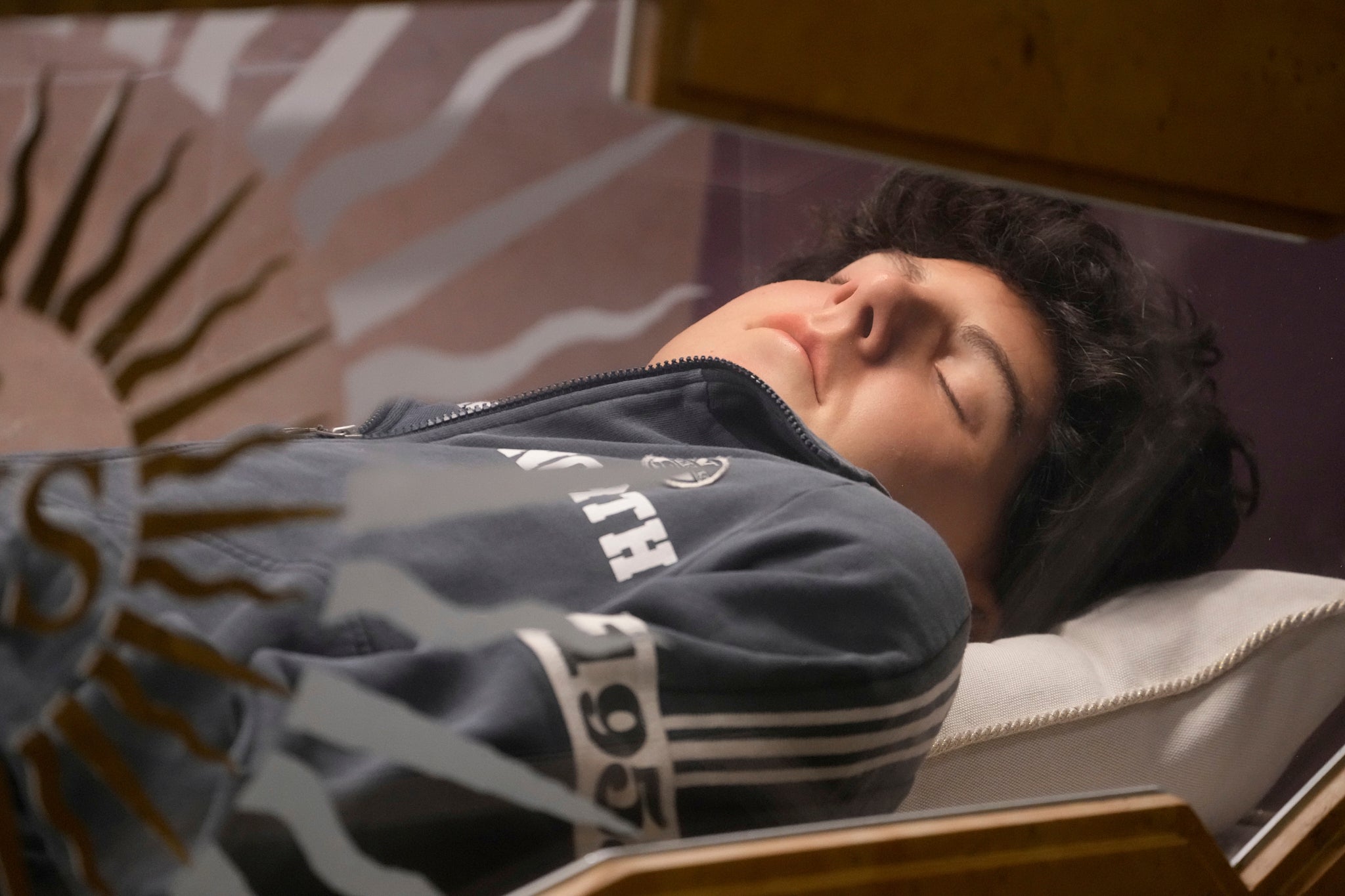
As a teen, he would cook food and deliver it to those that were homeless and on the streets of Milan. He became a catechist aged 12 in his local parish of Santa Maria Segreta, preparing younger children for his or her first communion. Next, the talents he mastered early with digital and computer technology saw him producing the parish newsletter and compiling and updating a public website that collected all reported miracles all over the world attributed to the Virgin Mary and the Eucharist.
It is all of the more remarkable that he did all this while limiting himself to 1 hour a day on screens, his mother later stressed. When diagnosed with incurable leukaemia in 2006, he told her, “I die completely happy because I didn’t spend any minutes of my life on things God doesn’t love.”
For some parents, a baby self-limiting to an hour of screen time per day would count as a miracle in itself, however the Vatican has a better bar. To be declared a saint, there needs to be evidence presented that praying to the candidate had precipitated two separate miraculous events.
In 2020, the Vatican department answerable for canonisation published evidence that prayers directed to God via Carlo Acutis had cured a Brazilian teen, Mattheus Vianna, from a rare disease. Pope Francis accepted these findings, reached after interviewing around 500 people, including health workers who, it was said, could provide you with no other plausible explanation.
Then, in 2024, one other report accepted that prayers made to Acutis had spared the lifetime of a young woman in Florence who had had a bleed on her brain that doctors had said would kill her. There will, after all, be sceptics who query the science that results in these conclusions, including many Catholics, who struggle to make sense of the randomness of those divine interventions when so many other tragedies occur each and day by day.
Others, too, point to the associated fee of the Vatican technique of discernment, which needs to be met by those declaring the candidate. Pope Francis did move – in step with his wider embrace of what he known as “a poor Church, for the poor” – to chop these charges, but they continue to be considerable. It may explain why normally only religious orders can afford to immortalise their brethren or sisters. Or the occasional wealthy family.
Antonia Salzano, Carlo’s mother, would add one other miracle to the list. She was in her forties when her son died, and assumed she would never have one other child. One night, he appeared to her in a dream and told her she would have twins. And, at 44, she did.
Quite how the Vatican could confirm that as true is tough to assume, but getting too wrapped up in the method risks missing the purpose. The Church gets many things unsuitable about human beings, however it also gets rather a lot right, including that we do respond well to role models being held up in front of us to emulate. It was doing it long before the appearance of social media.
Moreover, there’s an argument that connects the cult that has grown so quickly in recent times around Carlo Acutis with those others of his generation who, a recent survey by the Bible Society reported, are returning to the pews in surprising numbers. Perhaps the Church isn’t quite so old-fashioned and otherworldly as we prefer to think.
Peter Stanford is a former editor of the ‘Catholic Herald’. His book ‘Gaudi: God’s Architect’ might be published next spring by Hodder

