



For nearly 800 years the Catholic Church has utilised the strategy of the conclave to elect a recent pope.
“Conclave” means “with a key”, indicating the cardinal-electors are locked up with a key to conduct their deliberations.
With no direct communication to the skin world, a key feature of the papal election process is using smoke to signal the results of ballots and to announce the election of a recent pope.
Black smoke means a recent pope has not been elected. White smoke means there may be a recent pope.
So where does this tradition come from – and the way do they achieve the several colored smoke?
Sending messages with smoke
Smoke signals are considered one of the oldest types of long-distance communication between humans. For millennia, smoke signals have been used to point danger, to call for a gathering of tribes/nations, to transmit news and to warn of enemy invasions
Many indigenous peoples (corresponding to those of North America, South America, China and Australia) are known for his or her sophisticated use of smoke signalling techniques to point specific messages to those at a distance.
These techniques can include changing the situation of the hearth (corresponding to halfway up or at the highest of a hill), adjusting the color of smoke (using several types of foliage or damp/dry foliage) and the interruption or diversion of the smoke column at different intervals to provide particular patterns of smoke.
Catholic incense
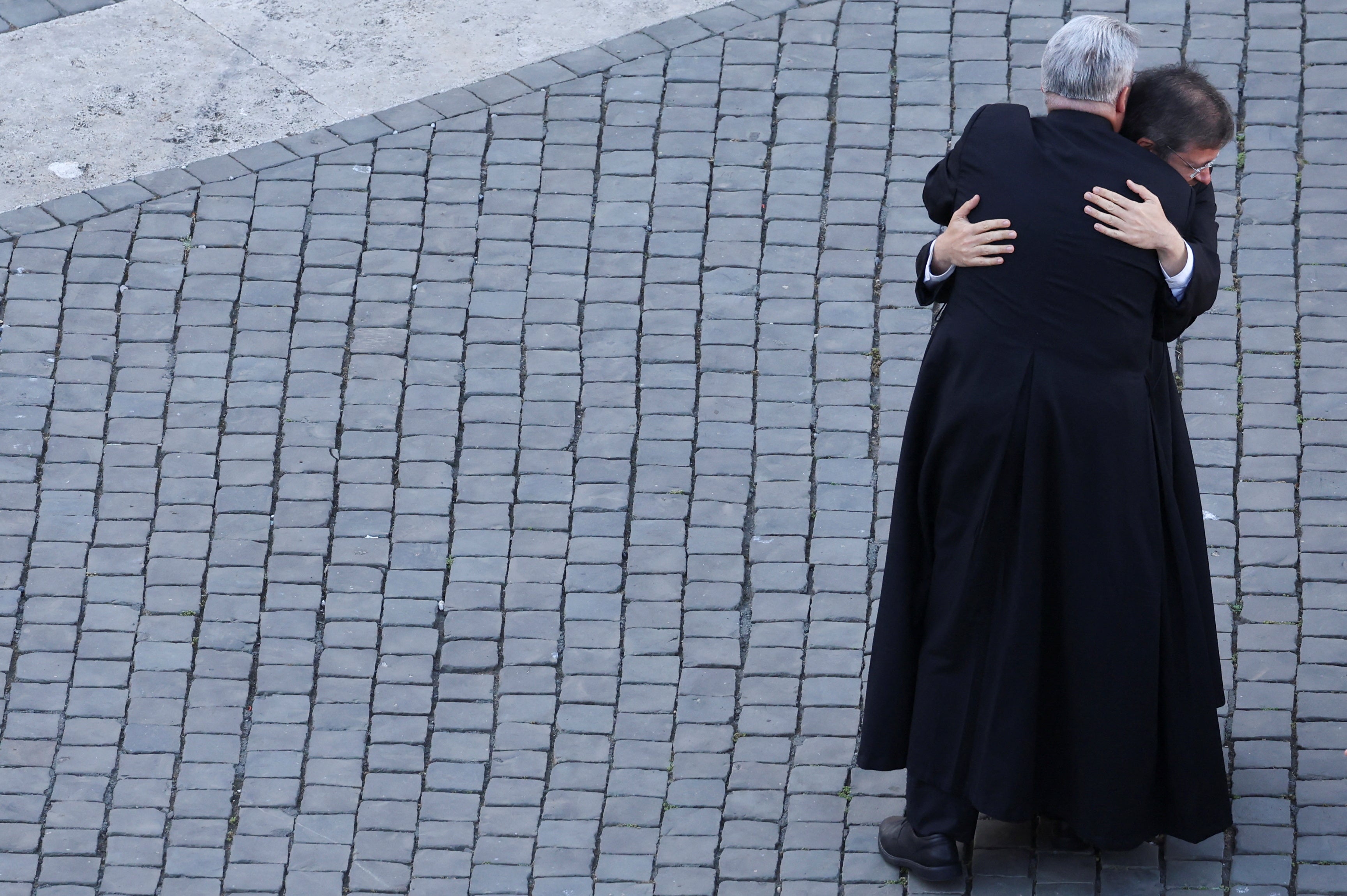
Catholics utilise smoke in lots of rituals in the shape of incense.
Incense (from the Latin incendere, meaning “to burn”) signifies prayer, sacrifice and reverence for people and objects. This fragrant smoke symbolises the prayer of the assembly rising as much as God. Psalm 141:2 asks “may prayer be set before you want incense”. In Revelations 8:3–5, an angel is “given much incense to supply, with the prayers of all God’s people”.
Catholics inherited their use of incense from its use in Jewish temple rituals and Greek imperial court rituals.
The smoke from the incense is used to point out reverence toward the Gospel book, the presiding celebrant, the gifts of bread and wine offered at Mass, the altar, cross, the Easter Candle and the body of the deceased at a funeral.
This holy smoke is a visible and olfactory signal of the congregation’s offerings of supplication and praise rising as much as God.
Crafting the smoke
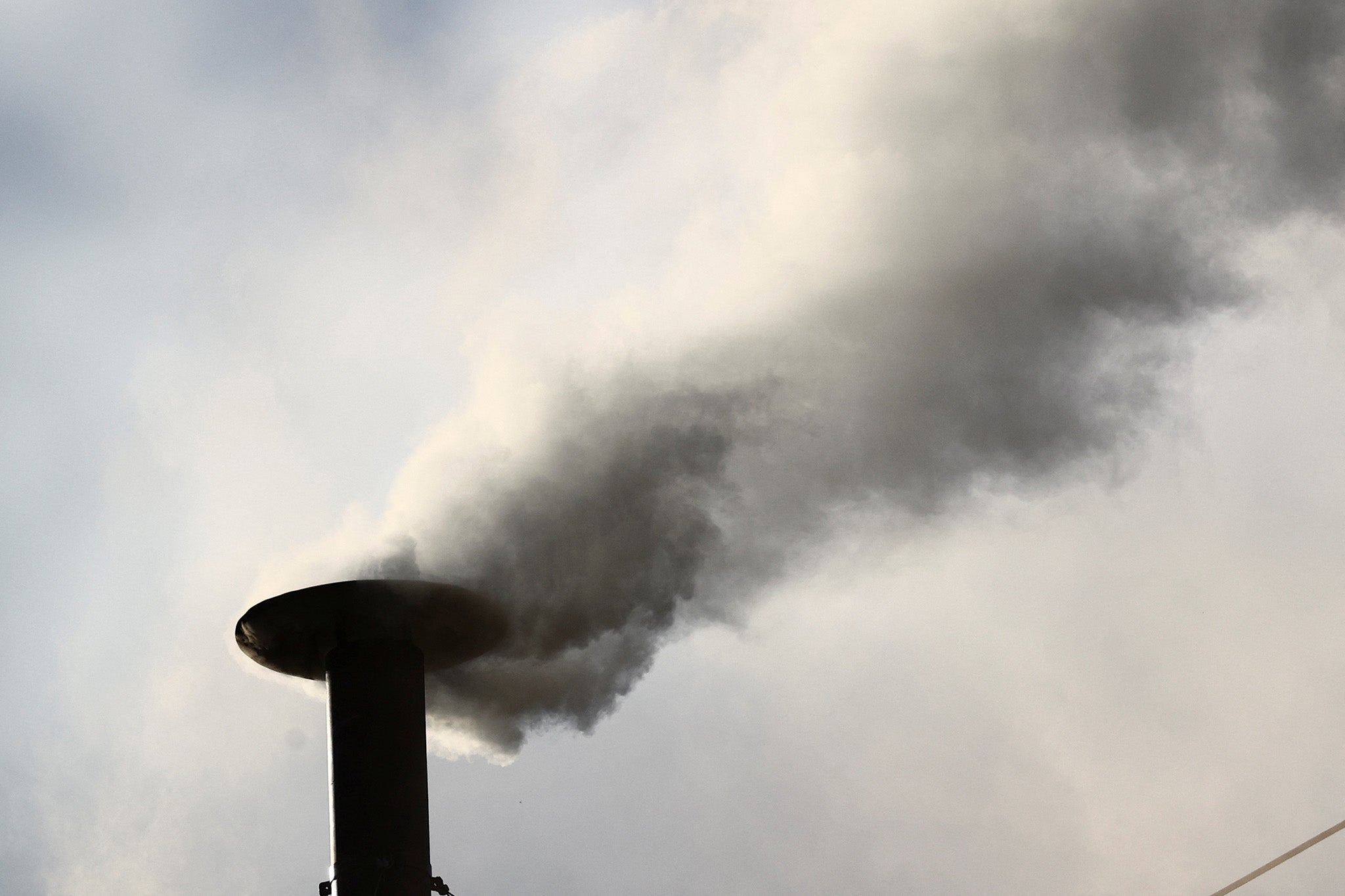
Once the conclave begins, the one type of communication between the cardinal-electors and the skin world might be smoke signals sent through the chimney of a stove specially installed within the Sistine Chapel throughout the conclave.
The tradition of burning the ballots goes back to no less than 1417, though it wasn’t until the 18th century that the primary chimney was installed within the Sistine Chapel. At this time, the looks of smoke at set times indicated no recent pope had been elected; while the absence of smoke indicated there was a recent pope.
Prior to this it is probably going that a recent pope was simply announced from the loggia (central balcony) of St Peter’s Basilica and a written announcement was posted outside for people to read.
Since 1914, white smoke has indicated the election of a recent pope. A stereotypical association of the color of the smoke – white (positive) and black (negative) – lies behind using the 2 contrasting smoke colors.
In 1904, Pius X (who was pope from 1903–14) mandated that every one notes taken by cardinals throughout the election were to be burned together with the ballots themselves. This burning of notes also increased the amount of smoke, making it clearly visible to the general public outside when his successor Pope Benedict XV was elected in 1914.

The use of chemicals to make sure either black or white smoke was introduced after the 1958 conclave when damp straw added to papers from an unsuccessful ballot didn’t ignite at first. White smoke appeared before eventually turning black, causing confusion amongst the group gathered outside.
In 2013, the Vatican Press Office released the chemical formulae used to create black and white smoke.
To generate black smoke, potassium perchlorate and anthracene (a component of coal tar) fuelled with sulfur are electrically ignited. To generate white smoke, potassium chlorate, milk sugar and pine rosin are ignited.
Using these smoke signals, the cardinals can communicate from throughout the conclave immediately and on to the faithful awaiting the announcement of the Church’s 267th Pope.
Clare Johnson is a Professor of Liturgical Studies and Sacramental Theology and Director of the ACU Centre for Liturgy, Australian Catholic University
This article was originally published by The Conversation and is republished under a Creative Commons licence. Read the original article

