



Following the death of Pope Francis on Easter Monday, the Catholic Church will begin a process virtually unchanged in 800 years to pick out its latest leader.
The system is often called the ‘Papal Conclave,’ and is a democratic process with a powerful emphasis on working through multiple rounds of voting until a transparent consensus emerges.
There is currently no set day for the Conclave to start. Cardinals were meeting on Tuesday to debate a timeframe.
Under the present rules, only cardinals under the age of 80 are allowed to forged a vote.
Officially candidates for pope need only be male and Catholic although in point of fact Pontiffs have only ever been chosen from the ranks of cardinals for hundreds of years.
There’s no age limit on who can develop into pope, but Francis was 76 when he took up the position, and held it until is death aged 88.
Benedict before him was 78, and was pope for less than eight years before his surprise retirement aged 85.
When will the Conclave begin?
After the pope dies, a standard mourning period of nine days begins within the Vatican. This is named the novendiales.
The pope’s funeral should happen “between the fourth and sixth day after death” in response to the apostolic structure.
The technique of electing a latest pope normally begins between 15 and 20 days after the pontiff’s death. It is the camerlengo, a cardinal chosen by the pope, who’s tasked with organising the Conclave election process.
The current camerlengo is Cardinal Kevin Farrell, an Irish-born American Catholic prelate who has held the position since 2019.
Cardinal Farrell can have several other tasks before this, nonetheless, overseeing the papal burial process. He can have the responsibility of arranging for using a ceremonial hammer to destroy the ring Pope Francis used to seal documents, ensuring no probability of forgeries.
He can be the cardinal that seals the door to the pope’s study and bedroom with a standard red ribbon.
How does Conclave work?
To begin the Conclave process, there may be a special morning mass, after which the 135 cardinals of voting age would gather contained in the exquisitely decorated Sistine Chapel – home of all of the Papal Conclaves since 1858.
New rules for the election of a pope were introduced in 1996 under Pope John Paul II, and the method has largely remained unchanged since then. After the death of a pope, cardinals hold a series of meetings called general congregations to debate the long run of the Church.
While all 252 cardinals can take part in these meetings, only 135 are under the age of 80 and so are eligible to take part in the Conclave.
After the cardinals have gathered, the shout “extra omnes” (everybody out) rings out and the cardinals – who’re sworn to an oath of secrecy – can be locked contained in the Conclave until they’ll select a successor.
There is not any guarantee that the primary round of voting can be revealed the identical day. Through a mix of speeches, prayer, reflection – and intense political jostling – cardinals whittle down candidates through successive rounds of voting.
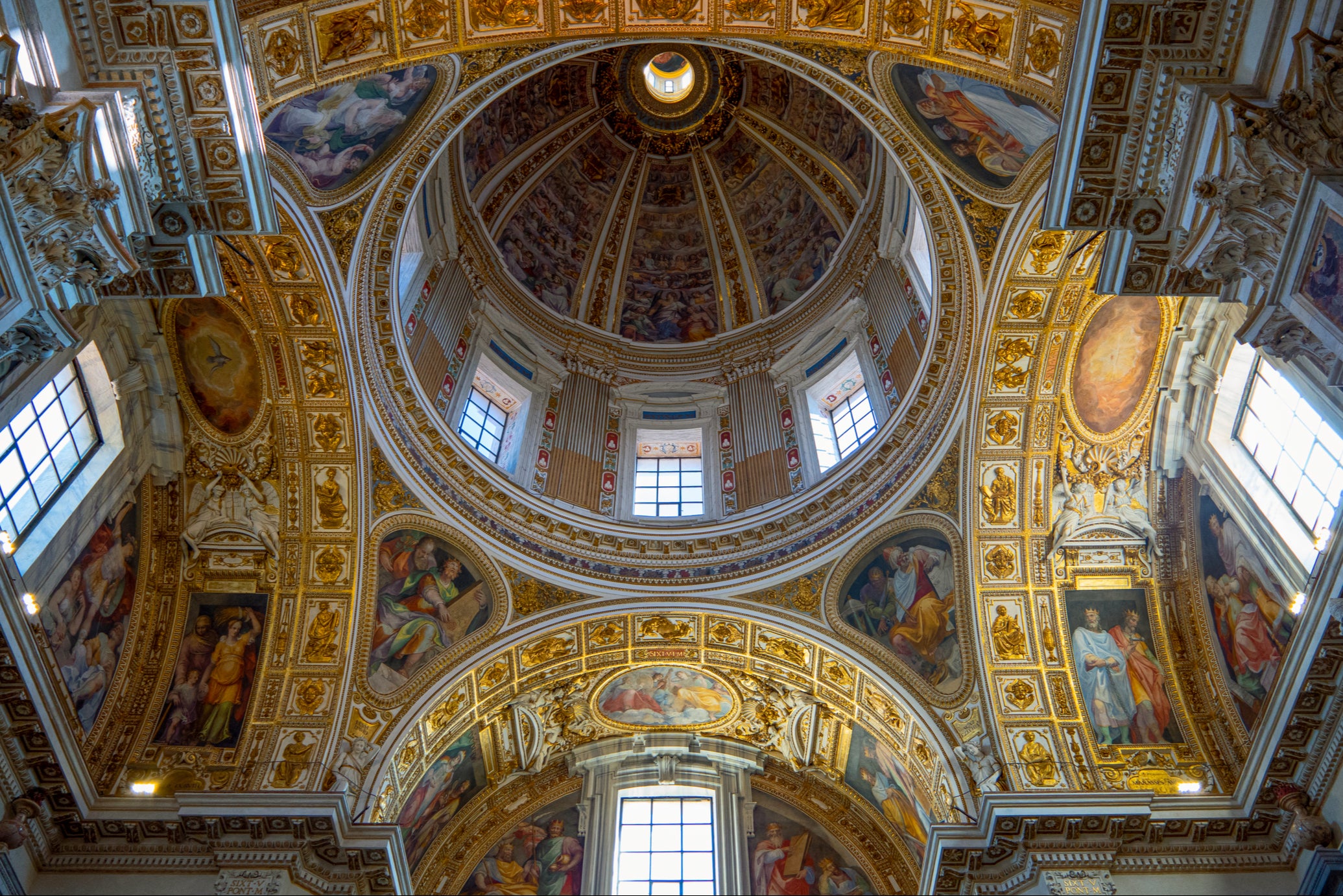
The cardinals themselves sit on either side of the Sistine Chapel.
The names of nine cardinals are chosen at random to officiate and organise the vote. Three develop into Scrutineers, whose job it’s to oversee the vote. Three more collect the votes and three more revise them.
A pope is simply elected when a single candidate receives a two-thirds majority. Sometimes pope’s are chosen quickly when a powerful candidate emerges. However from the thirty fourth ballot onwards, the Conclave only votes between the 2 front runners who gained probably the most votes within the previous round.
Incidentally the longest Papal Conclave, within the late thirteenth century, lasted one of the best a part of three years due to massive political infighting. Three voting cardinals died in the course of the process.
The ballot itself is secret and was introduced on 1621 by Gregory XV to try to avoid overt politicking however the Conclave is inevitably a hotbed of competing factions who want to see their man come out on top.
During each ballot cardinals write the name of their selection, ideally in distorted handwriting to disguise their identity.
The ballot papers are then burned in a small fire contained in the Sistine Chapel. The black smoke which is produced by the hearth tells the crowds waiting outside that a latest pope has yet to be chosen.

When one candidate has finally won two-thirds of the vote a latest pope is elected. The Cardinal Dean then calls the candidate to the front of the chapel and asks whether or not they are willing to just accept. If the reply is yes, the brand new Pope is then asked to decide on his latest Papal name.
Although the pope is seen because the successor of St Peter, none have chosen Peter for his or her Papal name, partly to avoid comparisons to the founding father of the Roman Catholic Church and partly due to an ancient prophecy that a latest pope called Peter will precede the top of the world.
With a pope now duly elected the ballot papers are burned over again with an additive placed in the hearth that turns the smoke white, informing the world that a latest Pontiff has been chosen.
In the weeks leading as much as the Conclave Vatican tailors get to work on creating three Papal robes in small, medium and huge. The latest pope is led into the Room of Tears adjoining to the Sistine Chapel where he dons his latest white robes and red slippers.
The pope is then presented to the crowds who’ve gathered within the Vatican from the major balcony of St Peter’s Basilica with the famous words: “Annuntio vobis gaudium magnum: Habemus Papam!” (I announce to you with great joy now we have a pope.)

