



The election of Pope Leo XIV presents a novel legal and diplomatic situation, as the primary American-born pontiff can also be a dual citizen of the United States and Peru.
Born Robert Prevost in Chicago in 1955, the newly elected pope has held Peruvian citizenship for the past decade, alongside his American citizenship, attributable to his extensive missionary work and role as a bishop within the South American country.
This dual citizenship status, coupled along with his recent position as head of the Vatican City State, raises complex questions regarding his legal standing throughout the United States.
As pope, Leo serves as leader of each the Holy See, the governing body of the Catholic Church, and Vatican City, an independent state.
Can the pope remain a U.S. citizen while leading a foreign government? Here are things to learn about Leo’s citizenship.
Is the Vatican considered a sovereign nation?
In addition to being the spiritual leader for what the church says is roughly 1.4 billion Catholics worldwide, Leo can also be the top of what is recognized because the world’s smallest nation.
Vatican City covers just 0.17 square miles (0.44 square kilometers) and has a population of a couple of hundred people. It became an independent state in 1929 under a treaty between Italy and the Holy See.
Could Leo be stripped of his U.S. citizenship?
Americans working for foreign governments aren’t robotically susceptible to forfeiting their U.S. citizenship.
But the U.S. State Department says on its website that it might “actively review” the citizenship status of Americans who “function a foreign head of state, foreign head of presidency, or foreign minister.”
“Such cases raise complex questions of international law, including issues related to the extent of immunity from U.S. jurisdiction that the person so serving could also be afforded,” the policy states.
The State Department declined to comment on the pope’s status. A spokesperson said the department doesn’t discuss the citizenship of people.
The core issue is whether or not foreign leaders should hold American citizenship when additionally they enjoy broad immunity from U.S. laws, said Peter Spiro, a Temple University law professor and an authority on citizenship law. Such immunity clashes with the constitutional principle that no U.S. citizen must be above the law.
However, the U.S. Supreme Court in a 1980 decision ruled that Americans cannot be stripped of their citizenship unless they intentionally surrender it.
“The State Department never assumes that you simply intend to lose your citizenship unless you specifically say so through the renunciation process,” Spiro said.
He said it will be hard to argue that Leo, by becoming pope, demonstrated an intent to provide up being a U.S. citizen.
“I feel it’s highly unlikely that the U.S. moves to terminate the pope’s citizenship,” Spiro said.
Can the pope remain a citizen of Peru?
Peruvian law has no conflict with Pope Leo remaining a citizen, said Jorge Puch, deputy director of registry archives at Peru’s National Registry of Identification and Civil Status.
Leo was granted Peruvian citizenship in August 2015, the month before Pope Francis appointed him bishop of Chiclayo within the South American country’s northern region. To qualify, he needed to live in Peru for at the very least two years and pass a civics test.
“It is probably the most praiseworthy thing our beloved supreme pontiff could have done: Wanting to have Peruvian nationality without having been Peruvian by birth,” Puch said.
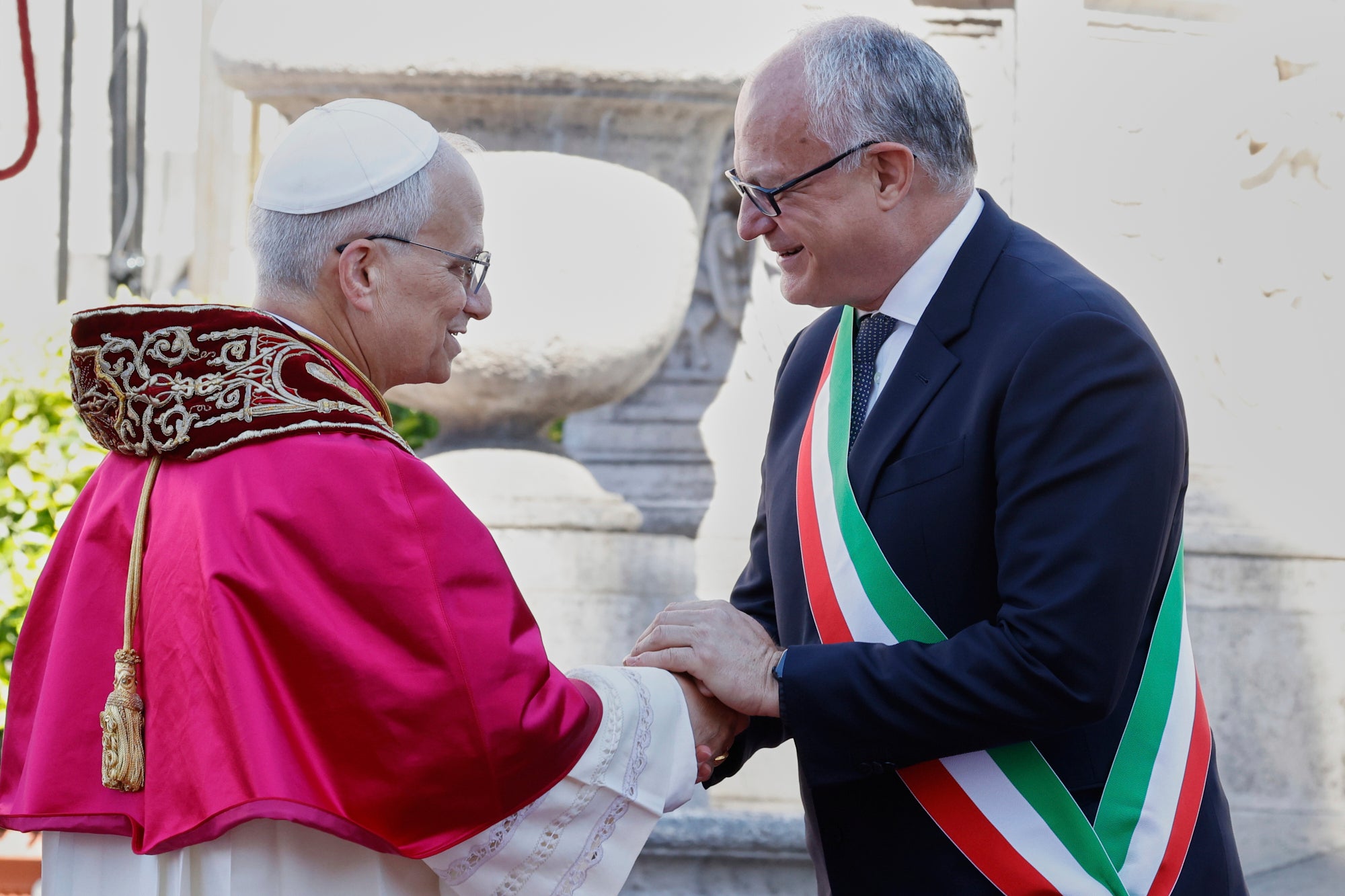
All adult Peruvians, including naturalized residents, are required to vote in elections through age 69. Voting in Peru’s presidential election next April won’t be mandatory for Leo. He turns 70 in September.
It’s not clear what happened to the citizenship status of Leo’s predecessors once they became pope. That’s not information the Vatican discloses.
Pope Francis renewed his passport in his home country of Argentina in 2014, the 12 months after he became pope. German-born Pope Benedict XVI and Pope John Paul II, a native of Poland, never publicly relinquished citizenship of their home countries.
John Paul was the primary non-Italian pope in 455 years.
Margaret Susan Thompson, a Syracuse University history professor and expert on American Catholicism, said she doubts Leo would surrender his U.S. citizenship. But she believes the brand new pope was sending a message when he delivered his first speech in Italian and Spanish without using English.
“I feel he wants to emphasize that he’s the pope of the universal Catholic Church,” Thompson said, “and never an American holding that position.”
Have other US residents served as leaders of a foreign government?
Yes. Here are a couple of notable examples.
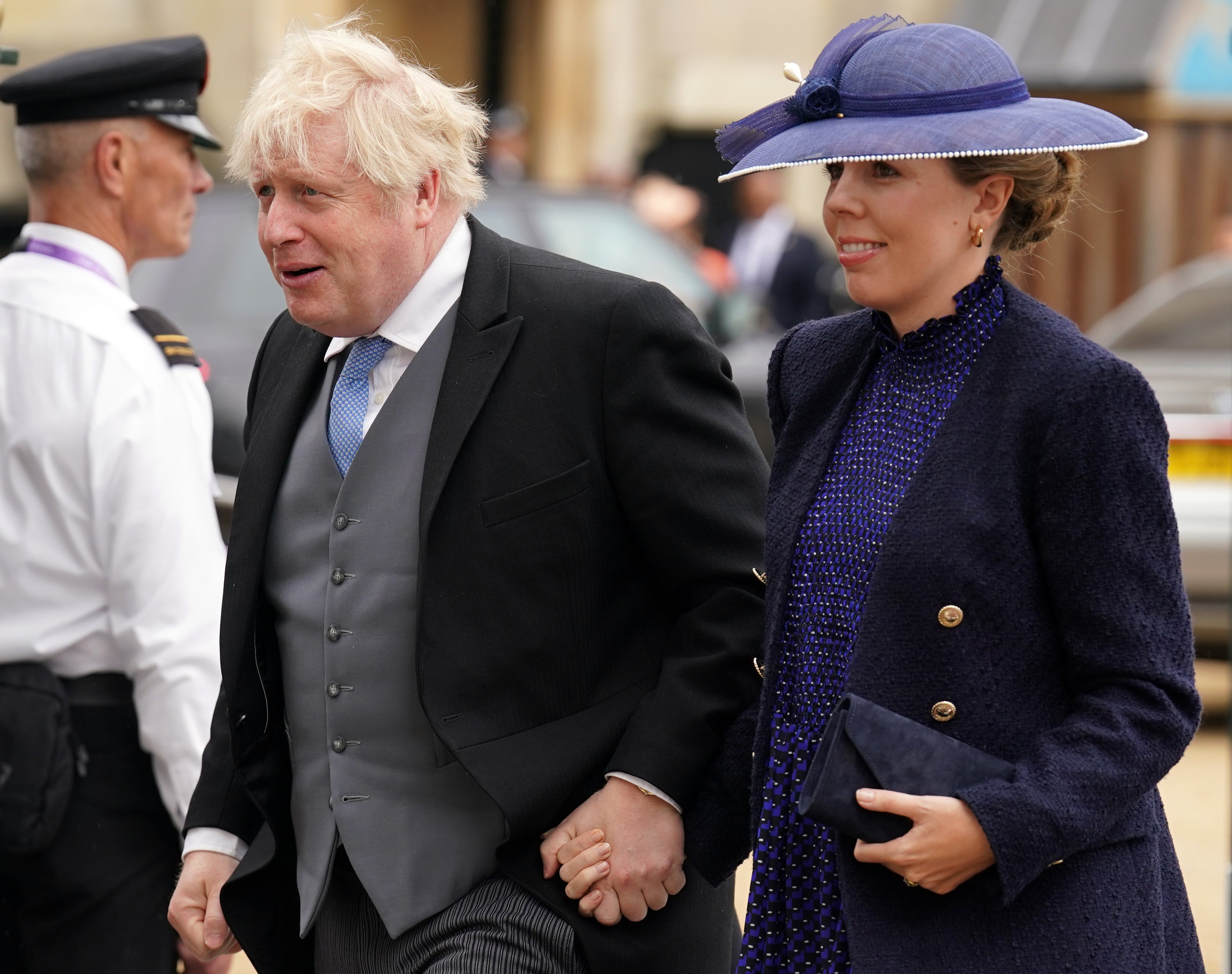
Former British Prime Minister Boris Johnson was born in New York to British parents in 1964. He left the U.S. as a young boy and renounced his American citizenship in 2016 while serving because the U.K.’s foreign secretary. Johnson became prime minister three years later.
Mohamed Abdullahi Mohamed was an American citizen when he was elected president of Somalia in 2017. Born in Somalia, he moved to the U.S. in 1985 and have become a citizen within the Nineties. Mohamed gave up his U.S. citizenship two years into his presidency.
Valdas Adamkus became a U.S. citizen after his family fled Lithuania to flee Soviet occupation. He returned to win Lithuania’s presidency in 1998, years after the Soviet Union collapsed. He relinquished his American citizenship after being elected.

