



Pope Francis’s successor will probably be elected in the approaching days in a millennium-old ceremony referred to as the papal conclave. During the conclave, the 135 eligible Cardinal Electors of the Catholic Church will sequester themselves and elect a latest pope in isolation.
During that point, they are going to don’t have any contact with the skin world and they’ll vote repeatedly, in written ballots and verbal declaration, until considered one of them achieves a two-thirds majority.
Every failure brings sighs from the crowds in St. Peter’s Square because the votes, burned with a chemical admixture, send up a plume of inky black smoke from the chimney of the Sistine Chapel.
White smoke, signalling a latest pope has been elected, provokes cheers and celebrations and the start of a latest papal era.
The history of the conclave, especially in the course of the Italian Renaissance that I teach and research, tells us loads about how the papacy is each a non secular and a political office.
The Pope is without delay the supreme pontiff of the Catholic Church in addition to absolutely the monarch of Vatican City. He is each bishop of Rome and prince of the smallest sovereign state on this planet.
Politics of the papacy
In the fifteenth, sixteenth and seventeenth centuries, the Vatican was the capital of a much-larger Papal State. This territorial buffer around Rome at its height bordered the territories of Florence, Naples, Milan and Venice, and covered much of northern Italy.
Popes wielded great influence within the dramatic politics of famous Italian families just like the Medici: it was a Medici pope, Clement VII, who helped negotiate the installation of the primary Medici duke in Florence.
Apocryphal accounts persist of Julius II, the so-called “Warrior Pope”, leading a charge over the partitions of Bologna in 1506.
At the identical time popes, and Catholic policy, had profound consequences for European and global politics: Clement’s successor Paul III excommunicated England’s King Henry VIII, cementing the English break with Rome in 1538.
Alexander VI was more audaciously imperial: he sponsored the treaty that arbitrarily divided your entire world outside of Europe between Spain (his home country) and Portugal in 1494.
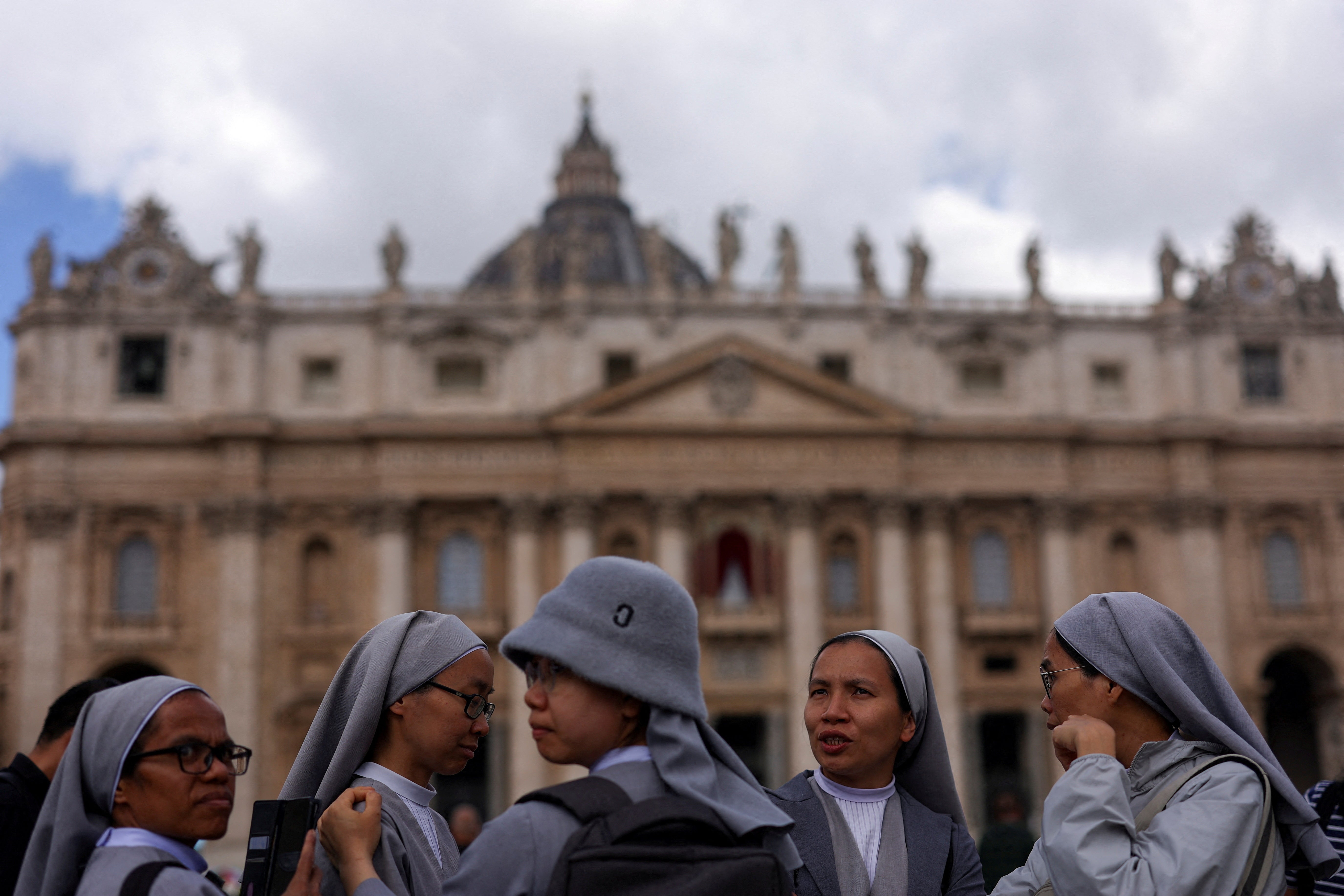
Alexander VI’s historical infamy is maybe outdone only by his son, Cesare Borgia, made famous by his mention in Niccolo Machiavelli’s book The Prince.
Becoming pope was an enormous deal for a cardinal and his family. Leading candidates referred to as papabili (pope-ables) began strategising and negotiating even before popes died.
When a pontiff died, those cardinals abroad began their travels to Rome, construction began on the temporary cells that may house all of them in the course of the sequestration and the true work of electing a pope began.
Enea Silvio Piccolomini left an in depth memoir of his election as Pius II in 1458. In it he describes a strategy of negotiating, threatening, cajoling and strategising that make the scheming within the recent movie Conclave look unsophisticated.
Renaissance Italy wrestled with and ultimately reconciled itself to the political nature of the papacy.
Many, including popes reminiscent of Pius II, expressed discomfort with the political power of the papacy. While it was a transparent think about the schism of European Christendom that led to the emergence of the Protestant churches within the sixteenth century, in early modern Italy the political power of the papacy was a reality of the diplomatic milieu.
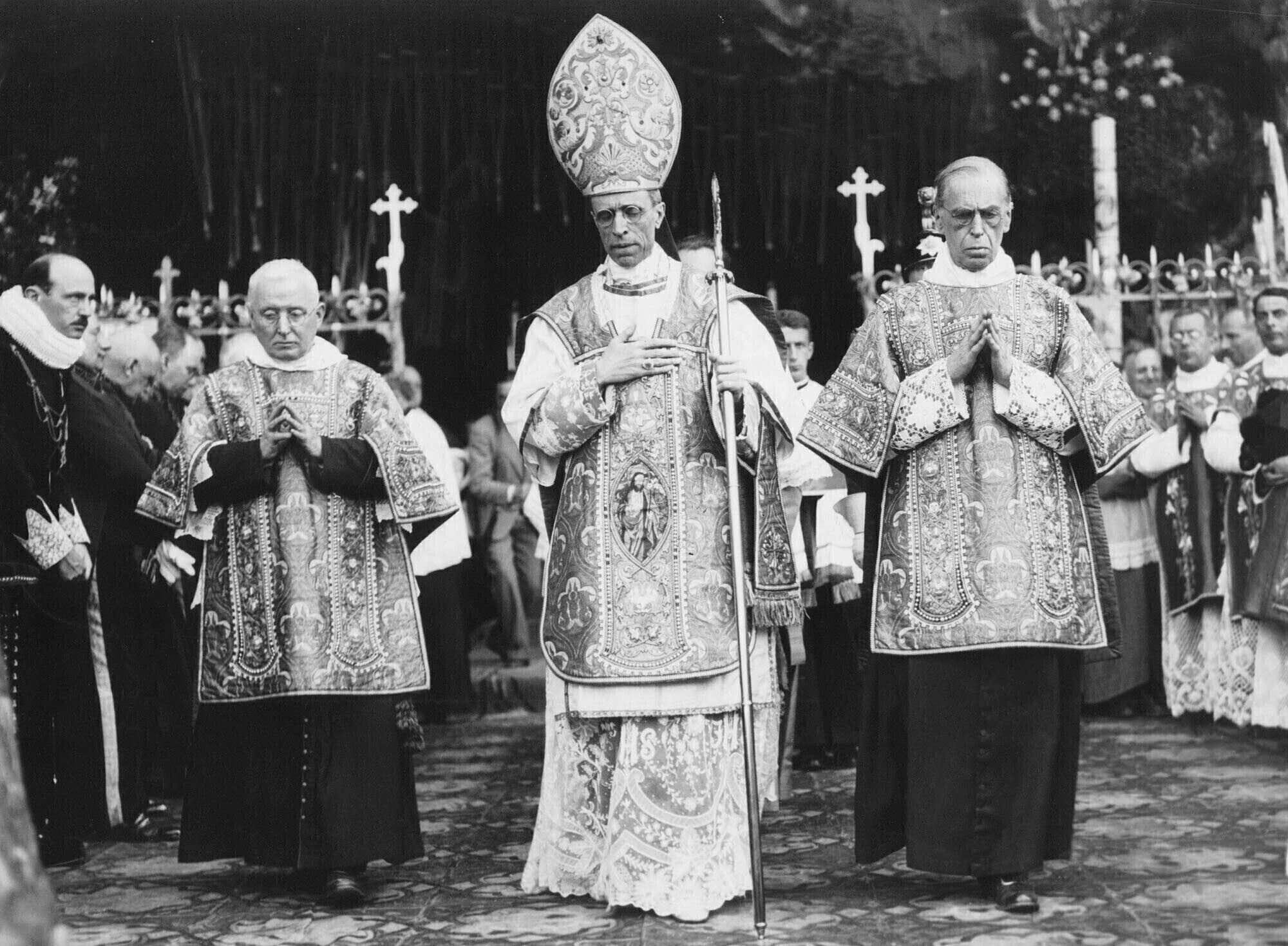
The empty throne
The conclave marks a special place in early modern history as a time when atypical political order was overturned for a transient period referred to as the sede vacante (the Vacant See).
The Vacant See was a time when identities were swappable and when, as one Paolo di Grassi told a judge in 1559, “in Vacant See [Romans] are the masters. The People are the Masters”. Di Grassi had, in the course of the Vacant See of November 1559, pursued his own longstanding grudges against his enemies and been involved in at the very least one armed brawl.
While they waited for a latest pope, Romans and everybody else might need passed the time with one other favourite vice: gambling on the conclave’s final result.
European princes and other potentates of the church paid close attention to conclaves, tried to smuggle information out and in and steer the conclave in favour of their preferred candidate.
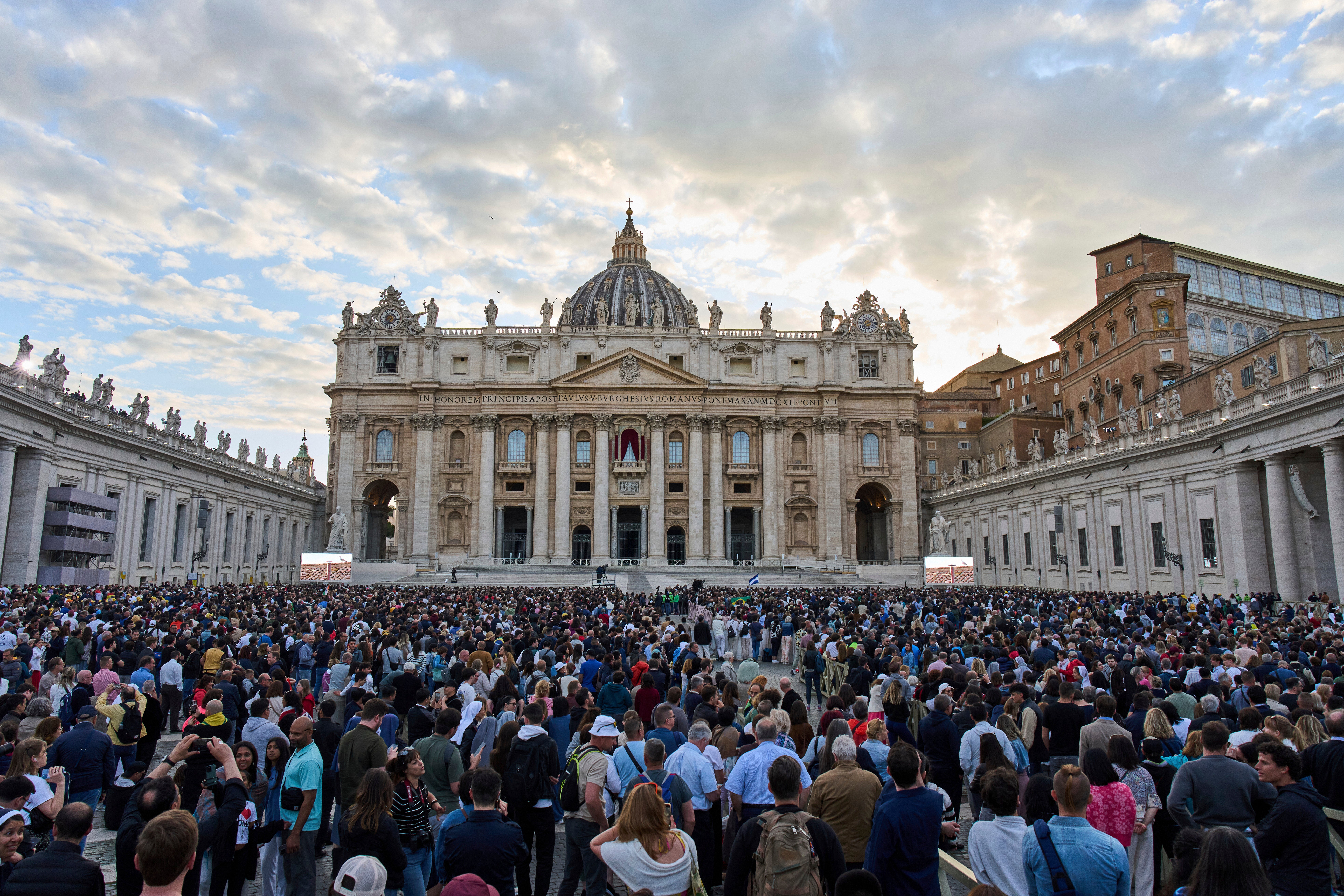
In 1730, as an example, Cardinal Lambertini smuggled a letter out of his conclave thanking a benefactor for his or her donations to his future ordination as Pope Benedict XIV.
The election held everyone’s attention as a rare and unusually impactful event within the Roman calendar.
While Rome’s streets thrummed with tension in the course of the chaotic days of a Vacant See, the conclave proceeded serenely and secretly inside the Vatican’s partitions.
The use of white smoke to mark the election of a pope only began within the twentieth century. During the Renaissance, the sound of bells could be a simpler solution to spread the news through Rome, before the brand new pope was announced to the town and the world.
Much activates that announcement now, as much did in previous centuries. The conclave elects each a pope and a head of state. While Vatican City is magnitudes smaller than the Papal State of the past, it stays a sovereign state.
Papal pronouncements shape not only religious thought but political motion, through voting, advocacy and more. Today’s crowds may be less raucous than Renaissance Romans, but they’re nonetheless invested in the outcomes.
Colin Rose is an Associate Professor of European and Digital History, Brock University
This article was originally published by The Conversation and is republished under a Creative Commons licence. Read the original article

