



Pope Francis, who has died aged 88 after 12 years at the pinnacle of the Catholic Church, was probably probably the most famous Argentinian who ever lived.
Born in 1936 as Jorge Mario Bergoglio, Pope Francis at all times understood the facility of connecting with the general public. “Ordinary people like a touch of Evita [the actress cum president’s wife Eva Peron],” he once said in his early days as a priest.
It was a perception that stood him in good stead throughout his tenure as Pope, and was apparent from the moment he stood on the balcony of St Peter’s Basilica in Rome after his election as pontiff in March 2013. The cardinals went “to the ends of the Earth” to seek out a pope, he joked, and after asking the crowds to wish for him, he wished them a very good night and a very good sleep.
Follow updates from Pope Francis’ funeral here
“Enjoy your lunch!” he used to say to individuals who gathered every week outside the basilica for the standard Roman Catholic prayer, the Angelus.
After the formality of Benedict XVI, whom he succeeded, Francis appeared like a breath of fresh air. He lived in an easy residence quite than the apostolic palace, and removed the standard fancy furry cape and red shoes. But his papacy was about way more than style; there was substance, too.
Francis took on a Church that needed a frontrunner to sort out its crises: a Vatican accused of monetary corruption, a worldwide child sexual abuse scandal, strange Catholics fed up with sensing that they had no voice of their Church and feeling that it was out of touch with people’s lives. And there have been wider issues on which the world needed to listen to a voice with moral authority, whether on climate change, or dire poverty within the developing world, or the plight of migrants and refugees.
The overwhelming majority of Catholics warmed to their Pope, who articulated a compassionate type of their faith.
“Who am I to evaluate?” he said when asked about gay people, who had often been vilified by other prelates. Later, he really helpful that priests should offer gay couples an easy same-sex blessing. He stood by the Church’s traditional teaching on marriage, but urged priests to permit divorced and remarried people to receive Holy Communion. The Church, he said, ought to be like a field hospital.
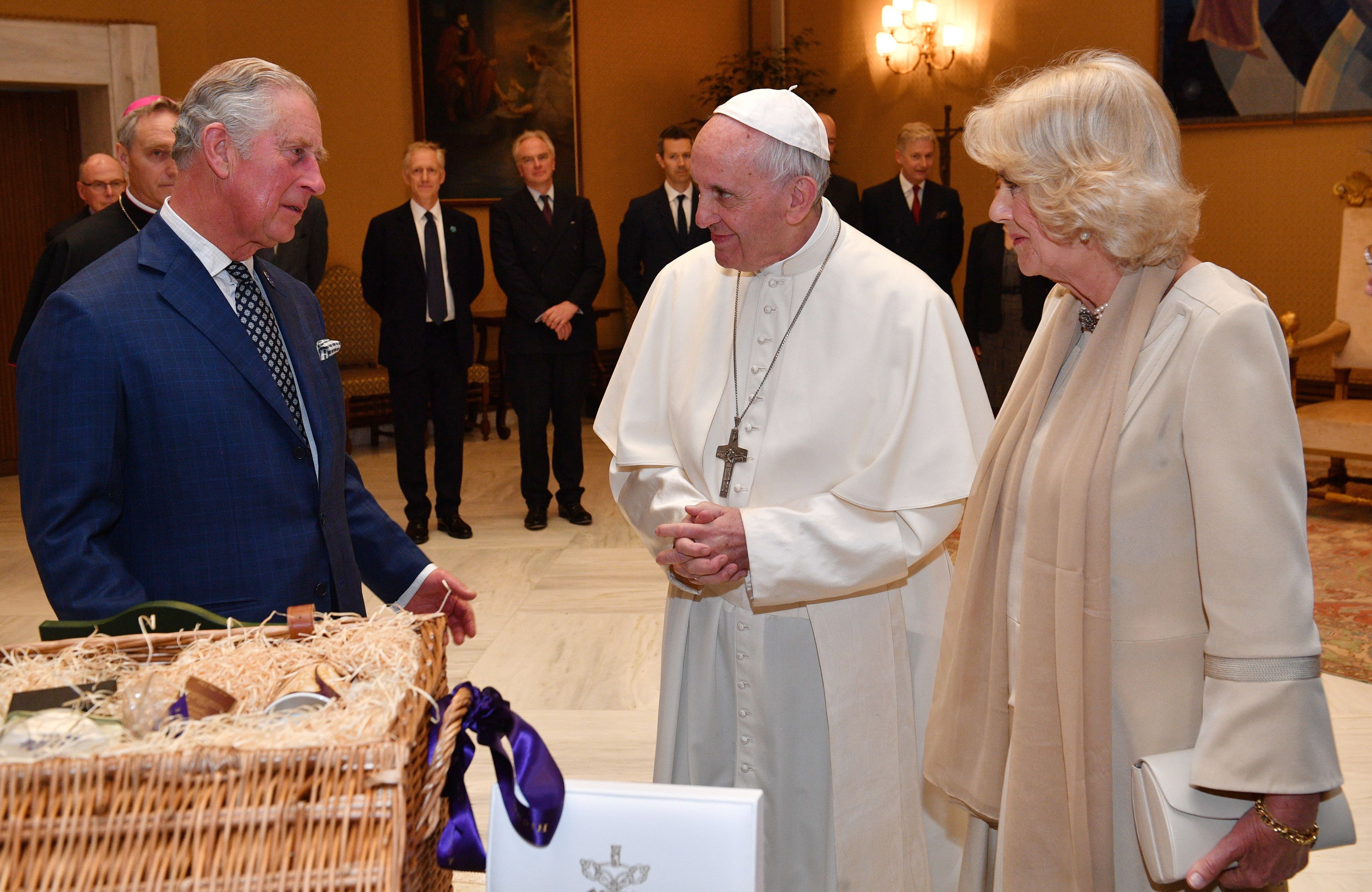
But it was not only individuals who were in need of care. One of Pope Francis’s most famous interventions was on the best way we take care of our planet – what he called “our common home” in his encyclical, or teaching document, “Laudato Si’”, published in 2015, through which he urged people to take motion to look after God’s creation within the face of climate change and environmental degradation. He gave copies to official visitors: little doubt the then Prince Charles would have appreciated the sentiment, but one wonders if Donald Trump, in his first presidential term, put it within the Air Force One bin en route back to Washington.
Nor was there any love lost between the US president and the Pope on the problem of migration. Francis, the kid of immigrants to Argentina, showed a selected concern for migrants throughout his pontificate, urging governments to indicate them compassion. He took particular aim at Trump’s plans for a border wall between the US and Mexico, saying that it was “not Christian”. He also spoke often of the necessity for peace, visiting war-torn hotspots in Africa and phoning the Catholic parish priest in Gaza every night after the recent conflict with Israel began, even while he was in hospital receiving treatment for pneumonia.
But his efforts at peacemaking within the Church weren’t at all times successful. His banning of the old Latin mass was seen as vindictive by traditionalist Catholics, while his efforts to sort out the abuse scandal faltered: a number of the experts brought in to assist, including survivors of abuse, resigned from his commission, saying it was doing too little, too late.
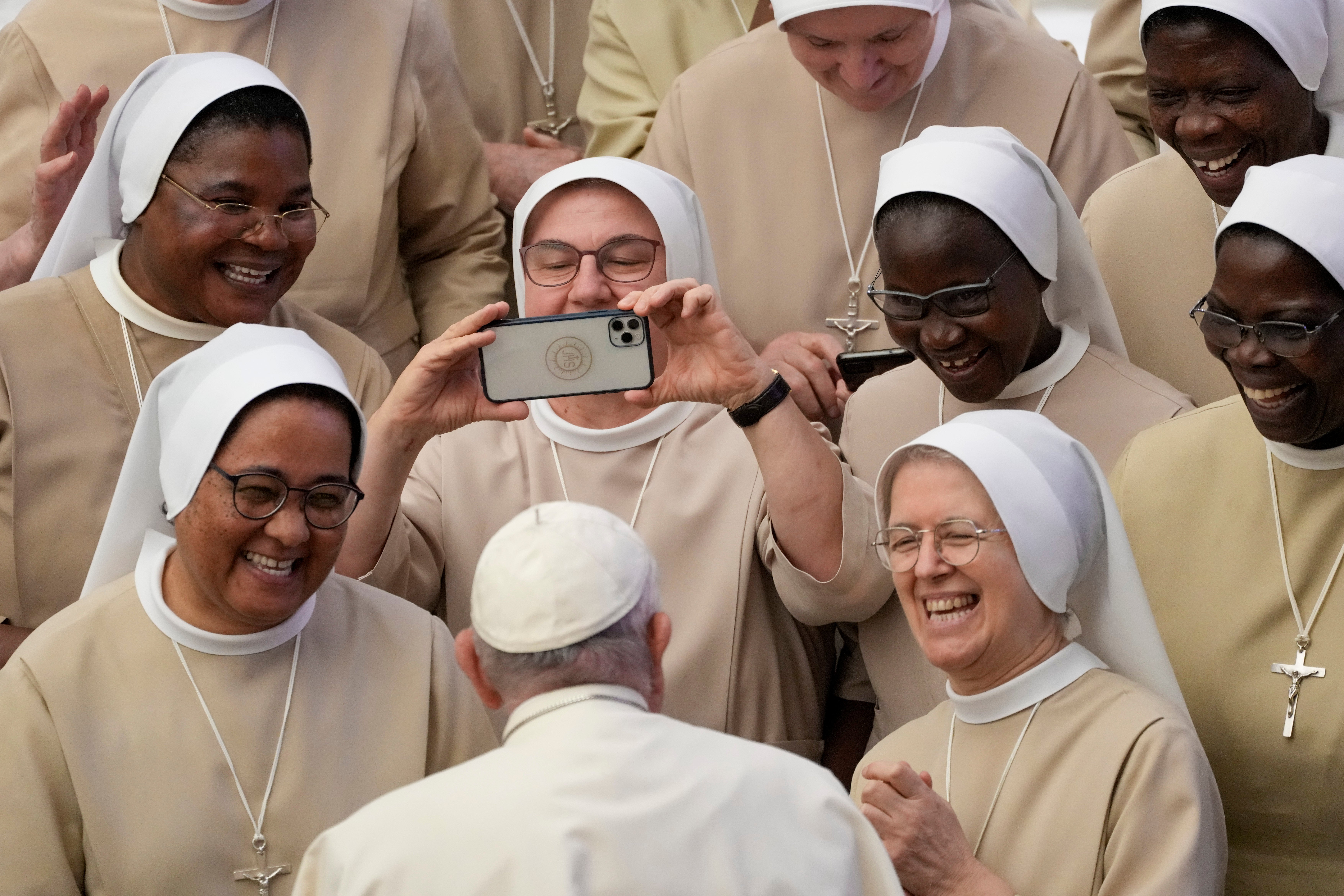
Women who were frustrated by their lack of power and representation within the Church welcomed his appointment of ladies, often nuns, to official positions within the Vatican, but felt let down that he let an inquiry into the ordination of female deacons drift. And Francis was as staunchly against women being priests as were his papal predecessors.
What of his legacy? Pope Francis was an excellent communicator, a non secular leader who connected powerfully with so many individuals. He was an ethical giant on the world stage, and while he brought reform to the Church, giving lay people more of a voice in decision-making of their parishes and dioceses, he couldn’t heal the divisions between liberal and conservative Catholics.
As the cardinals enter the conclave for the election of the following pope, they may need to ask themselves: is there anyone amongst us who can tackle that nigh-impossible task?
Catherine Pepinster is a non secular commentator and a former editor of the Catholic weekly, The Tablet

